GPT-5 for one-shot simulation
After a week with GPT-5, I wanted to jot down a few early impressions. I have tried to tune out the wider commentary so I could judge it on its own merits, though avoiding hot takes on X over the past few days has been nearly impossible. The timeline is split right down the middle on this release. Obviously, my own view is shaped by my habits, preferences, and how I use other models, so I wanted to give it a fair run myself.
On raw intelligence, GPT-5 is a clear step forward. Those hoping for a complete paradigm shift might feel slightly let down, yet power users will notice a solid upgrade. Casual users who are meeting a reasoning model for the first time will likely find the jump much more dramatic. How much you get out of it really comes down to your workflow, what you are building, and how you like to work.
Coding makes up a huge part of my usage, and the model has been strong here from the start. A proper test drive in Cursor is on the cards for this weekend, though even working straight out of the box in Canvas, it has shown plenty of promise.
I tested it with this prompt:

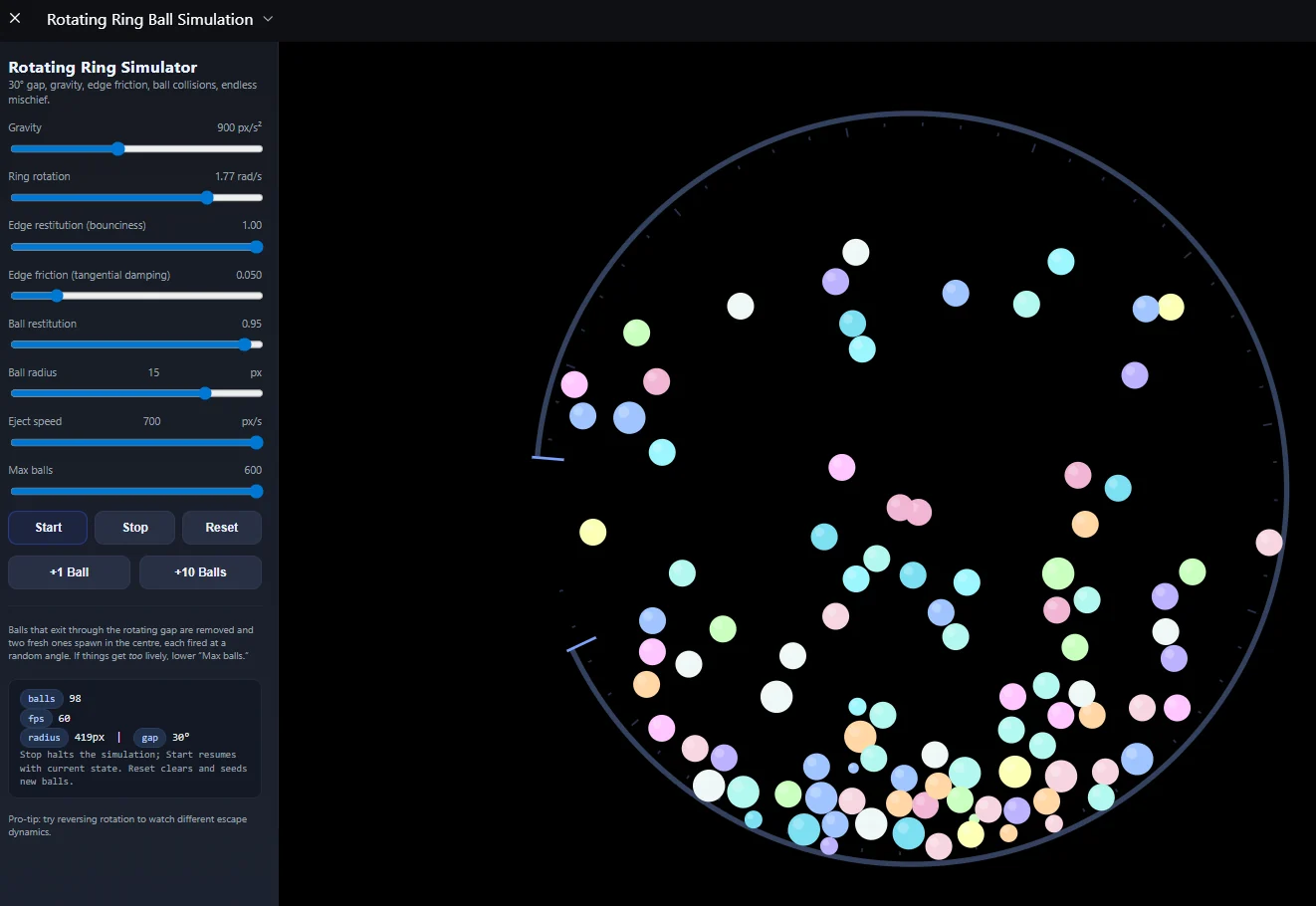
create a js app comprising a rotating circle with a 30 degree section removed. a coloured ball is ejected from the centre at a random angle and falls under gravity, bouncing on the inside edge of the circle. a small amount of friction on the inside edge of the circle changes the trajectory of the ball. when it exits through the gap in the circle, two more balls appear at the centre. the balls can collide with each other. run the simulation till the user hits stop.

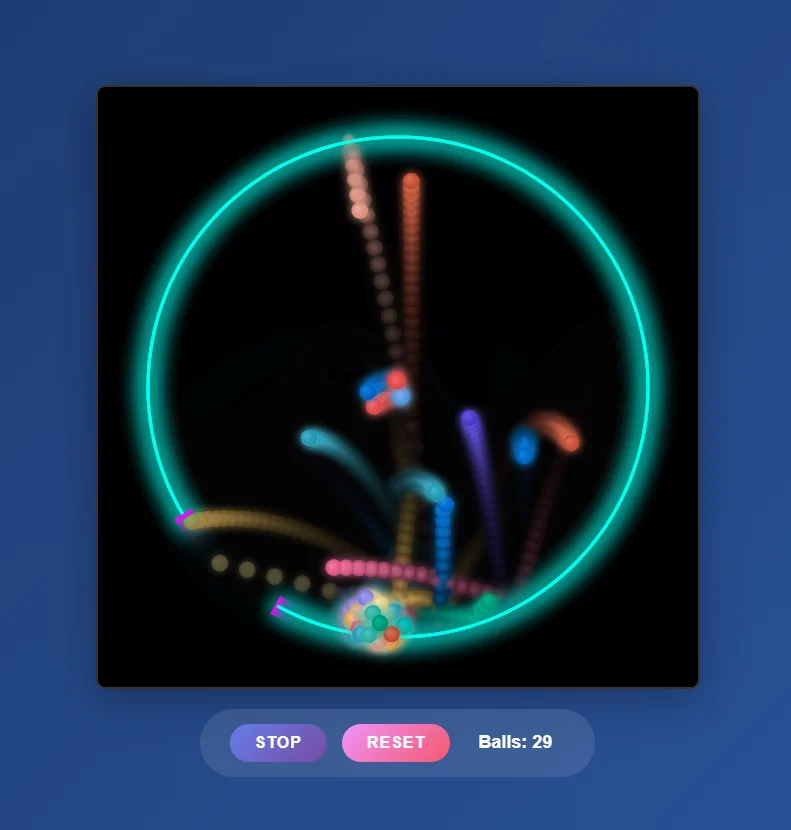
You can see the output below. GPT-5 thought for 1 minute and 35 seconds before returning a working one-shot app in just under 500 lines of code. It built a tidy UI complete with eight physics sliders, straightforward controls, and useful read-outs. I fed the exact same prompt to o3 and Opus 4.1 to see how they stacked up. Both produced working simulations on the first try, though neither matched GPT-5 on polish or small details. Even so, Claude’s retro interface has a definite appeal; UI design always comes down to personal taste.
One complaint I kept seeing online is that GPT-5 struggles with vague prompts and wants you to go back to the strict, chain-of-thought style prompting we needed for the GPT-3 and early GPT-4 eras. That has not been my experience at all. Like plenty of people, I have enjoyed the freedom that reasoning models gave us to ditch rigid, sprawling JSON structures, and I had no desire to go backwards. Fortunately, even with my usual loose prompting, side-by-side tests show GPT-5 consistently matching or beating the older models.
I am going to keep pushing it to see where it excels and where it trips up, though for coding, it is already off to a strong start.